Table of Contents
Definition of Options Chain
It is a table that displays available contracts for a particular underlying asset like stock or index. The chain is generally divided into two sections:
Call Options – Contracts generally associated with a bullish market view.
Put Options – Contracts generally associated with a bearish market view.
Between the two sections is usually a list of strike prices. Each row represents an available strike price for the selected expiry date.
Why Options Chain Data Looks Confusing
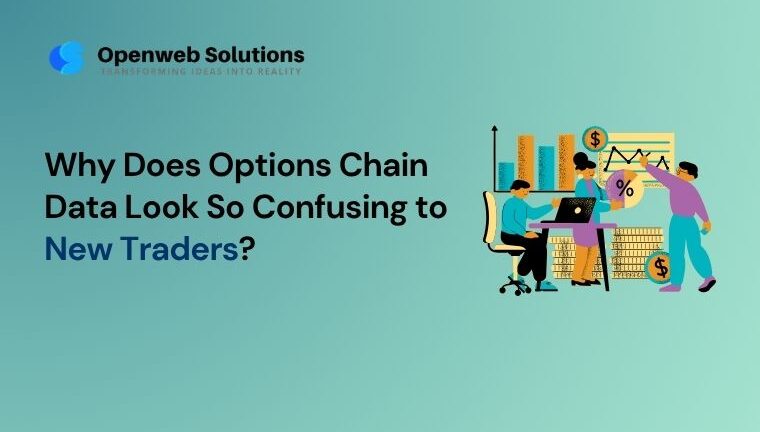
The biggest reason is that an options chain for beginners contains multiple types of information at the same time. Volume shows how many contracts were traded during a particular period as open interest indicates the number of outstanding positions that remain open. A higher option premium does not automatically mean that a contract is better. The data can also change quickly during market hours. This creates another layer of complexity when new traders try to understand multiple columns simultaneously.
How to Read an Options Chain
The easiest way to learn how to read options chain data is to follow a consistent order rather than looking at every number at once.
Step 1: Identify the Underlying Asset and Expiry
Check which stock or index the options chain belongs to. Then identify the expiry date you are viewing. Different expiry dates can have completely different premiums and implied volatility.
Step 2: Find the Current Market Price
Next, look at the current price of the underlying asset. This helps you understand where the available strike prices are positioned relative to the market.
Step 3: Compare Calls and Puts
Most options chains place calls on one side and put on the other. Start by comparing activity around the current market price and nearby strike prices. This can help you observe where trading activity and outstanding positions are concentrated.
Step 4: Check Open Interest and Volume
Open interest and volume are two of the most commonly watched metrics. These figures can provide useful information about market participation.
Understanding the Most Important Options Chain Columns
Strike Price
The strike price is the predetermined price associated with the options contract. It is the central reference point for comparing calls and putting contracts.
Last Traded Price
The last traded price shows the price at which the option was most recently traded. It can change frequently as market conditions change.
Bid and Ask
The bid is the highest price a buyer is currently willing to pay as the ask is the lowest price a seller is currently willing to accept.
Open Interest
Open interest can help traders understand where significant outstanding positions exist. Its interpretation becomes more meaningful when viewed alongside price movement and broader market conditions.
Implied Volatility
Implied volatility reflects the market’s expectations of future price movement and is an important factor in options pricing.
Conclusion
Options data can appear overwhelming because an options chain combines pricing and expiry information in one place. Traders understand what each major column means as the information becomes much easier to navigate. The key to chain data explained effectively is to start with the basics. There is no need to understand every advanced metric on day one.
Build a Smarter Options Trading Platform
Openweb Solutions can help businesses build customized stock market software and trading applications designed around their specific requirements.
Contact our team now
FAQs
1. What are options chain data?
It is a structured list of available stock or index that includes call and puts contracts along with strike prices.
2. How do beginners read an options chain?
Beginners should start by identifying the underlying asset and expiry date and then comparing nearby calls and putting contracts.
3. What is the difference between volume and open interest?
Volume shows how many options contracts have been traded during a given period as open interest shows the number.

Partha Ghosh is the Digital Marketing Strategist and Team Lead at PiTangent Analytics and Technology Solutions. He partners with product and sales to grow organic demand and brand trust. A 3X Salesforce certified Marketing Cloud Administrator and Pardot Specialist, Partha is an automation expert who turns strategy into simple repeatable programs. His focus areas include thought leadership, team management, branding, project management, and data-driven marketing. For strategic discussions on go-to-market, automation at scale, and organic growth, connect with Partha on LinkedIn.