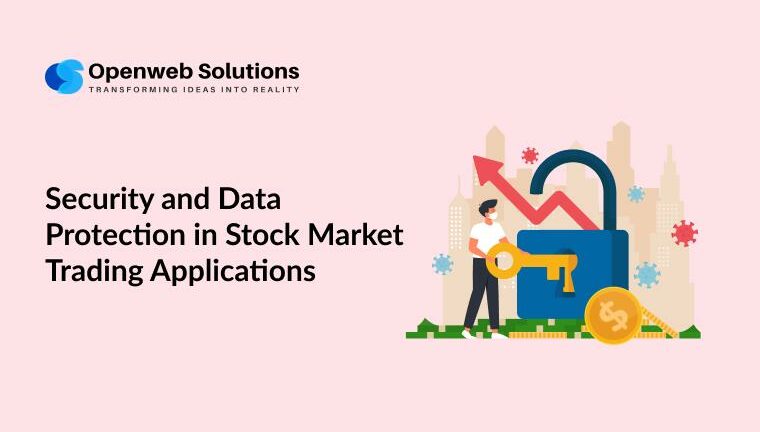
With the rapid growth of digital finance, stock market trading software has become the backbone of modern investing. Traders and investors rely on online trading platforms to execute trades and receive real-time insights. Security and data protection are fundamental requirements for any secure trading software. From protecting sensitive user information to ensuring uninterrupted real time stock trading, strong security frameworks are essential for building trust and maintaining platform integrity.
Table of Contents
- Introduction
- Why Security Is Critical
- Common Security Threats in Online Trading Platforms
- Core Security Features of Secure Stock Market Trading Software
- Protecting Data in Real Time Stock Trading Environments
- Regulatory Compliance and Data Protection Standards
- Best Practices for Building Secure Stock Trading Applications
- The Role of Stock Market Alerts in Secure Trading
- Conclusion
Introduction
Security is the foundation of every successful trading system. As digital adoption accelerates, stock market trading software must safeguard financial data, personal information, and transaction integrity while maintaining speed and availability.
Why Security Is Critical in Stock Market Trading Software
Trading platforms handle highly sensitive information, including banking details, transaction histories, identity documents, and live market data. Any breach can result in financial losses and irreversible damage to brand credibility.
A secure system ensures user confidence, uninterrupted real time stock trading, fraud prevention, and compliance with financial regulations.
Common Security Threats in Online Trading Platforms
Understanding threats is the first step toward prevention. Common risks include database breaches, weak authentication, insecure APIs, phishing attacks, and denial of service attacks that disrupt real time stock trading operations.
Core Security Features of Secure Stock Market Trading Software
Strong Authentication in Stock Market Trading Software
Multi-factor authentication, biometric login options, and role-based access controls ensure that only authorized users access sensitive features.
Data Encryption for Secure Trading Software
End-to-end encryption protects data in transit while encrypted databases secure data at rest, supported by proper key management.
Secure APIs in Online Trading Platforms
Token-based authentication, rate limiting, and vulnerability testing protect trading systems from unauthorized access.
Continuous Monitoring for Stock Trading Applications
Real-time threat detection, activity logging, and audit trails help identify suspicious behavior early.
Protecting Data in Real Time Stock Trading Environments
Real time stock trading requires security without compromising performance. Low latency encryption, secure data feeds, redundancy, and automated disaster recovery ensure smooth trading while protecting user data.
Regulatory Compliance and Data Protection Standards
Stock market trading software must comply with data privacy laws, financial regulations, KYC, and AML guidelines. Regulatory compliance strengthens credibility and builds institutional trust.
Best Practices for Building Secure Stock Trading Applications
Security should be embedded from the earliest development stages. Regular updates, proactive vulnerability assessments, user education, and scalable security infrastructure are essential.
The Role of Stock Market Alerts in Secure Trading
Stock market alerts enhance both trading efficiency and security. They notify users of price movements and order execution while also warning about suspicious account activity.
Upgrade a Stock Market Trading Application with Us
Partner with experienced developers who understand stock market trading software, compliance, and data protection. Build a secure, scalable, and future ready trading platform.
Conclusion
Security and data protection are the foundation of successful stock market trading software. As cyber threats evolve, platforms must adopt advanced safeguards to protect data, ensure reliable real time stock trading, and maintain user trust. Investing in secure trading software is a strategic decision that directly impacts long term platform success.
Frequently Asked Questions
Q1. Why is security important in stock trading applications?
Ans: Security protects user data, prevents fraud, ensures compliance, and builds trust.
Q2. How do secure trading platforms protect user data?
Ans: Through encryption, multi factor authentication, secure APIs, monitoring systems, and compliance frameworks.
Q3. Can real time stock trading be secure without affecting speed?
Ans: Yes, modern architectures balance low latency performance with strong security.
Q4. Are stock market alerts useful for security?
Ans: Yes, alerts help users respond quickly to suspicious activity.
Q5. What should businesses look for in secure trading software?
Ans: Strong authentication, encryption, compliance readiness, scalability, and regular security updates.

Partha Ghosh is the Digital Marketing Strategist and Team Lead at PiTangent Analytics and Technology Solutions. He partners with product and sales to grow organic demand and brand trust. A 3X Salesforce certified Marketing Cloud Administrator and Pardot Specialist, Partha is an automation expert who turns strategy into simple repeatable programs. His focus areas include thought leadership, team management, branding, project management, and data-driven marketing. For strategic discussions on go-to-market, automation at scale, and organic growth, connect with Partha on LinkedIn.