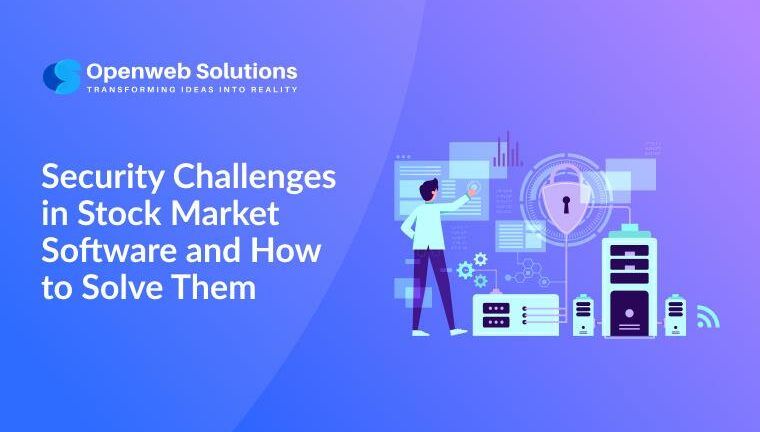
The global stock market has rapidly evolved with the rise of digital technologies. From retail investors to institutional traders, everyone now relies on trading software and advanced stock market applications to execute trades in real time. While this digital transformation has increased accessibility and efficiency, it has also introduced serious security risks. Stock market software handles highly sensitive financial data and personal user information. Even a small security loophole can lead to massive financial losses and loss of user trust. In this blog, we explore the key security challenges faced by modern trading platform software and discuss practical solutions to overcome them.
Table of Contents
Why Security Is Critical in Stock Market Software
Stock market applications operate in a high-risk environment where even a small vulnerability can have serious consequences. Trading platforms handle real-time financial transactions, high-frequency trading data, user authentication and authorization, integration with multiple stock exchanges and liquidity providers. A secure trading software system builds trust among users and protects the platform from financial fraud and cyberattacks.
Common Security Challenges in Trading Software
Data Breaches and Unauthorized Access
One of the biggest threats to any online trading platform is unauthorized access. Hackers target weak authentication systems to steal login credentials or initiate fraudulent trades. The impact is loss of customer trust, financial theft, and regulatory consequences.
API and Third-Party Integration Risks
Modern stock exchange software often integrates with third-party APIs for market data and analytics tools. While these integrations improve functionality, they also introduce security risks if APIs are not properly secured. The impact of data leaks through insecure APIs, and exploitation of external system vulnerabilities.
Real-Time Data Manipulation
Trading platform software relies on real-time market data. If attackers manipulate price feeds or trading signals, it can lead to incorrect trades and significant financial losses. The impact is of market manipulation, loss of trading accuracy, and legal implications.
Insider Threats
Not all security risks come from outside. Employees or contractors with privileged access to stock market applications can misuse sensitive information intentionally or unintentionally. The impact of unauthorized data exposure, internal fraud, and system sabotage.
Compliance and Regulatory Risks
Stock market software must comply with strict financial regulations and data protection laws. Failure to meet these requirements can result in penalties and platform shutdowns. There is impact of regulatory fines, loss of operating licenses, and business disruption.
Proven Solutions to Overcome Security Challenges
Strong Authentication and Access Control
Implement multi-factor authentication and role-based access control across your trading software. This ensures that users and administrators only access what they are authorized to. The best practices include biometric authentication, login monitoring, and device-based access restrictions.
Secure API Management
Protect APIs used in stock market applications by implementing secure authentication tokens, encryption, and rate limiting. The key solutions are token-based authentication, API gateways with monitoring, and regular API security audits.
End-to-End Data Encryption
Encrypt sensitive data at rest to protect it from interception. This is essential for online trading platforms handling financial and personal data. Encryption should cover user credentials, transaction details, and market data streams.
Real-Time Monitoring and Threat Detection
Advanced monitoring tools help detect suspicious activities in real time. AI-driven analytics can identify unusual trading patterns or unauthorized system access before major damage occurs. The recommended measures are intrusion detection systems, automated alerts and logging, and continuous vulnerability scanning.
Regular Security Audits and Compliance Checks
Conduct frequent security audits and penetration testing to identify vulnerabilities in your trading platform software. Staying compliant with financial regulations ensures long-term platform stability. Audit focus areas are code security, infrastructure configuration, and data protection policies.
Best Practices for Secure Trading Platform Software
- Design security into the software architecture from day one
- Keep systems and dependencies regularly updated
- Train employees on cybersecurity awareness
- Maintain secure backups and disaster recovery plans
- Partner with experienced stock market software developers
Build a Secure Stock Market Software with Us
Partner with an experienced development team that understands the complexities of trading software and regulatory compliance. Contact us today to secure your trading platform for the future!
Conclusion
Security is the backbone of any successful stock market software. With increasing cyber threats and stricter regulations, trading platforms must go beyond basic protection measures. By addressing key security challenges like data breaches, real-time data manipulation, and implementing proven solutions, businesses can build secure and scalable trading software. A secured stock market application protects users and strengthens brand trust and ensures long-term success in a competitive financial landscape.
Thank you for reading.
Frequently Asked Questions
Q1. What is the reason behind the importance of security in trading software?
Ans: It handles sensitive financial data and real-time transactions, making it a prime target for cyberattacks.
Q2. How can APIs affect stock market application security?
Ans: Insecure APIs can expose data and system access, making them a common entry point for attackers.
Q3. What role does encryption play in online trading platforms?
Ans: Encryption protects user data and transactions from interception during transmission and storage.
Q4. How often should security audits be conducted?
Ans: Ideally, security audits should be performed quarterly or after major system updates.
Q5. Can insider threats be prevented?
Ans: Yes, through role-based access control, activity monitoring, and employee security training.

Partha Ghosh is the Digital Marketing Strategist and Team Lead at PiTangent Analytics and Technology Solutions. He partners with product and sales to grow organic demand and brand trust. A 3X Salesforce certified Marketing Cloud Administrator and Pardot Specialist, Partha is an automation expert who turns strategy into simple repeatable programs. His focus areas include thought leadership, team management, branding, project management, and data-driven marketing. For strategic discussions on go-to-market, automation at scale, and organic growth, connect with Partha on LinkedIn.